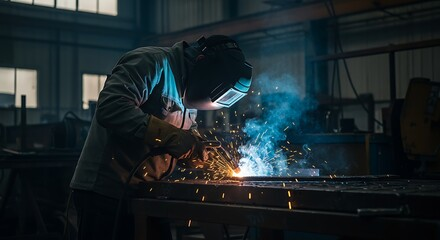
From structural beams to decorative accents, working with metal opens up endless possibilities for building projects. Architectural Metal Works provides both a contemporary aesthetic and durable, sustainable solutions that protect buildings from weather, wear and tear, and damage.
Stainless steel is the most popular choice, but other metals see use as well. Aluminum is an extremely versatile material with supreme malleability, and copper offers desirable qualities like longevity and superior resistance to corrosion.
Steel
From the iconic art deco facade of the Chrysler Building in Midtown Manhattan to the wrought iron railings at a luxury residence in Greenpoint, Brooklyn, architectural metal work adds stunning visual appeal and functionality to modern residential buildings. The specialized field of architectural metal fabrication leverages innovative construction materials like stainless steel and aluminum to transform the design and appearance of buildings. Advanced fabrication techniques allow for more precision and creativity in the design process, opening up new possibilities for architects and builders.
Exceptional metalwork elevates architectural projects beyond the practical, creating works of art that inspire and delight. For instance, a brushed bronze-look wall panel in the Rio Tinto corporate office creates a striking focal point and sets the tone for the entire space. By combining artistic sensibility with technical proficiency, skilled sheet metal workers deliver creative solutions that elevate projects.
Steel is a popular choice for residential architectural metal works, particularly when a project calls for both durability and style. Its strength-to-weight ratio makes it an ideal material for both decorative and structural components, such as metal roofs and exterior cladding. Its durability also ensures a long lifespan, which can help reduce maintenance costs over time.
Unlike traditional wood, metal is non-porous and resistant to moisture. This characteristic helps prevent mold, mildew and other problems that can impact a home’s structural integrity. Additionally, metal is non-combustible and has a high resistance to fire. This can be an important consideration for homeowners in areas prone to wildfires.
Another advantage of residential metal is that it is naturally pest-resistant. Unlike plastic or wood, it doesn’t provide a food source for termites and other pests, so you can avoid the need for costly pest control treatments over time. It is also non-porous and doesn’t absorb water, so it can resist the growth of mildew and other fungi.
Finally, metal is 100% recyclable, which can significantly reduce the amount of raw materials needed to construct a new building. This can contribute to a more sustainable future, lowering energy costs and environmental impacts over time.
Aluminum
The architectural metals that make up structures like roofs, facades and ceilings can offer more than just durability. When fabricated correctly, they can also provide visual appeal and a sense of grandeur.
Whether you’re looking to add a dramatic art deco touch to the exterior of your building or a sleek modern element inside, metal is the ideal material to work with. It’s a versatile and durable solution that can be crafted into a wide variety of shapes, sizes and finishes. It can even be molded into sculptural pieces to suit a variety of architectural styles.
In addition to traditional steel and aluminum, copper and zinc are also gaining popularity for use in architectural projects. All of these metals are able to blend aesthetic design with durability, and they can be coated to create different color and texture options.
Many architects and designers prefer to work with steel for building cladding due to its versatility and strength. It’s a durable material that can withstand harsh weather conditions and maintain its appearance over time. This type of metal can be used in flat and corrugated panels, with design flexibility courtesy of perforations, laser-cut patterns and specialized finishes.
Another popular option for building facades is pre-weathered steel. Known by the brand name of Cor-Ten, this type of steel can be manipulated to develop an oxidized look that mimics what nature would otherwise do over a long period of time. This allows the look of weathered steel to be achieved quickly and with the added benefit of corrosion resistance.
Stainless steel is another common choice for architectural facades and window systems, as it’s strong, durable and can stand up to harsh weather conditions. It’s also versatile, able to be fabricated into flat and corrugated panels, and it can be powder-coated in different colors to match the look of other elements of a project.
Decorative and functional railings are another prime example of how metal can be integrated into a residential project. These can be incorporated in the form of stairs or fences to give homes a bold and contemporary feel, as well as used as a means of incorporating a business’ branding into their structure. For example, the wall installation for American Express at the Violet Hour Lounge in Chicago during NBA All-Star Week was a custom fabrication that combined both artistic and structural elements to showcase the brand.
Architectural Bronze
Modern architects and builders can choose from a wide variety of materials to construct their buildings, but metal is often a top choice because it adds visual intrigue and offers durability. In addition, it requires less maintenance than other types of construction materials. For example, exterior cladding like the one in Rose Hill, a residential building in Manhattan, is made of aluminum coated with a bronze finish to complement the glass walls and meet New York City’s Zone Green requirements.
While many people think of metal fabrication as the manufacturing of metal structures in a factory setting, it’s actually more specialized than that. Architectural metal work focuses on crafting visually-striking and functional components, fixtures, and sculptures for buildings, homes, offices, stores, restaurants, and more. It involves a unique combination of technology, quality, and experience to create the best results.
To achieve the desired aesthetic, designers and fabricators must master a number of different methods to manipulate the metal’s shape, color, texture, and other properties. For example, a fabrication studio can create metal laminates and adhere them to surfaces, form complex metal sculptures through casting or welding, or make railings and other structures by extruding and welding separate pieces together. They can also fabricate and install a wide range of finishes and colors to enhance the look of metals.
When it comes to architectural bronze, there are several varieties of the metal, with varying proportions of copper and tin. Other elements, such as phosphorus, aluminum, or silicon, can also be added to bronze alloys for specific purposes and applications. For instance, Statuary bronze (which is often used in outdoor sculpture) contains about 97 percent copper and two percent tin.
For lighting fixtures, however, it’s more common for manufacturers to use the term “architectural bronze” when referring to a product with a chromate conversion coating and powder coat finish. Unlike the third-place Olympic bronze statues, these fixtures will not instantly shine when exposed to sunlight. Instead, the bronze will gradually develop a deep, rich golden color over time, which can be maintained with regular cleanings using lacquer thinners and a clean, lint-free cloth.
Copper
Copper has a long history in architecture, earning its place for both its durability and its timeless aesthetics. Ancient civilizations valued this metal as roofing materials, and it still holds a significant role in modern building construction for its ability to withstand weathering, minimize maintenance requirements, and improve energy efficiency through thermal and electrical conductivity.
The resurgence of biophilic design, which emphasizes the incorporation of natural elements into built environments, has cemented copper’s popularity as a modern material for both residential and commercial projects. Its earthy tones evoke the feel of nature, connecting it with modern trends in green living and increasing its relevance as a sustainable option for building facades and interior design.
Its resistance to corrosion makes it an ideal choice for cladding and accents. As copper ages, it develops a beautiful patina that can range from an orange-red to a deep verdigris green. Architects use copper as a way to add complexity and depth to flat facades, while its high reflectivity helps enhance light distribution.
Copper’s high recyclability rate and low environmental impact make it an excellent alternative to more expensive building materials. Its corrosion resistance, thermal and electrical efficiencies, and antimicrobial properties all contribute to its sustainability. It also has an exceptionally high scrap value, allowing it to be continuously recycled without any loss of performance.
Due to its low galvanic number, copper is able to work with a wide variety of other materials. This flexibility opens up new possibilities for architects and builders to experiment with copper’s use in their designs, ranging from the bold to the delicate.
Using a combination of traditional and cutting-edge fabrication techniques, today’s architects and builders are able to craft copper into unique free-form building components. They can build dynamic facades with sculptural elements, use it in combinations with other building materials, and even create one-of-a-kind interior accent pieces to transform the look of buildings’ interiors.
SMART Local 20’s full-service design and fabrication teams use cutting-edge technology to turn the architectural visions of designers into reality. Our team is backed by decades of experience and a commitment to excellence, enabling us to elevate the appearance of projects with innovative designs that leave lasting impressions. Contact us to learn how we can bring your next building project to life.